
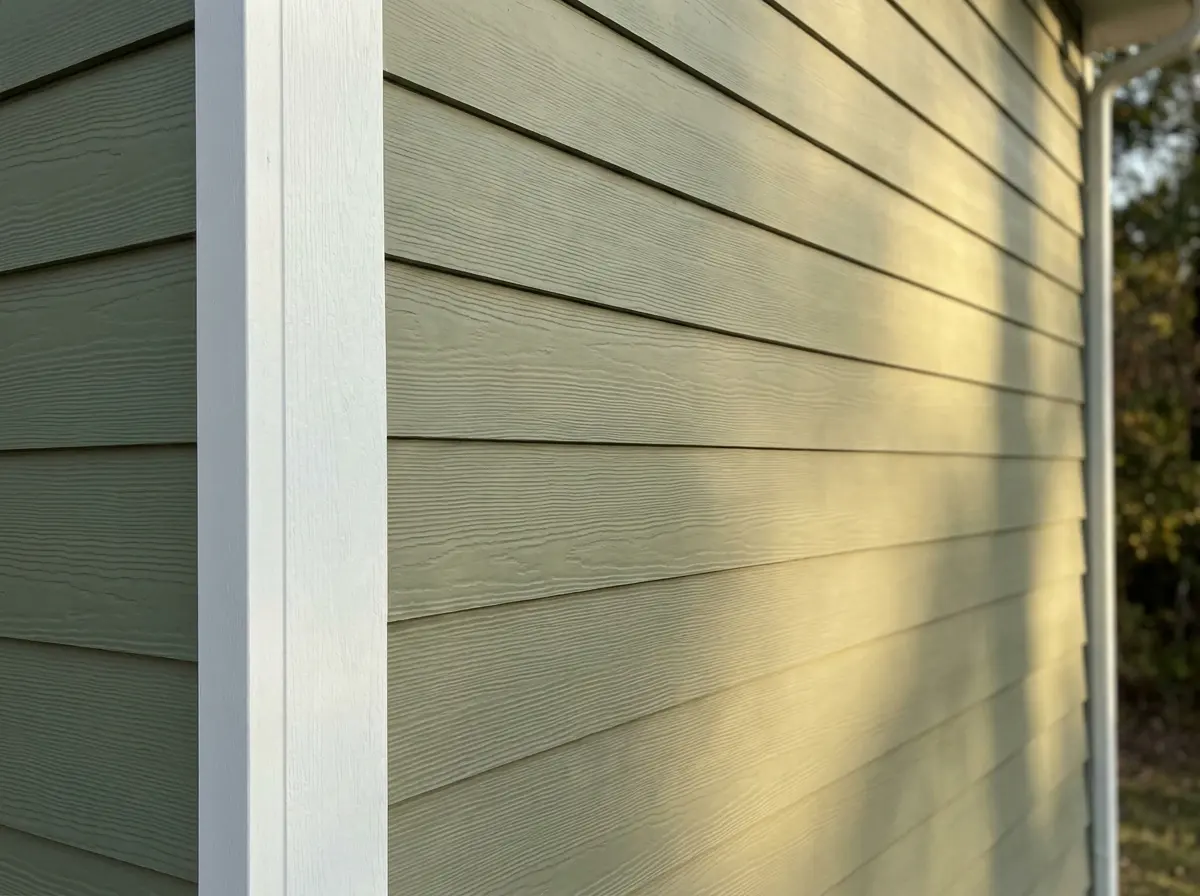
HardiePlank® lap siding
The classic overlapping horizontal boards most homeowners picture when they think of siding — several textures and widths to match traditional or modern styles.
This guide covers what James Hardie® fiber-cement siding costs in the Greater Seattle area, how long a typical replacement takes, how Hardie compares to vinyl, the signs it is time to re‑side, and how permits work. Elevation Pro is a licensed, bonded, and insured Washington general contractor based in Bellevue, serving Seattle and the Eastside. The fastest way to a firm number is a free instant estimate, then a free on-site measurement.
James Hardie® siding starts at $9.30 per square foot in the Greater Seattle area. That is the baseline rate for James Hardie fiber-cement siding installed by Elevation Pro, and it is the number to start with when you are roughing out a budget.
A firm, project-specific price comes only after a free on-site measurement. Elevation Pro measures your walls, checks the condition of what is underneath, and confirms access before giving you an exact number. Two houses that look similar from the street can land at different totals once the details are accounted for.
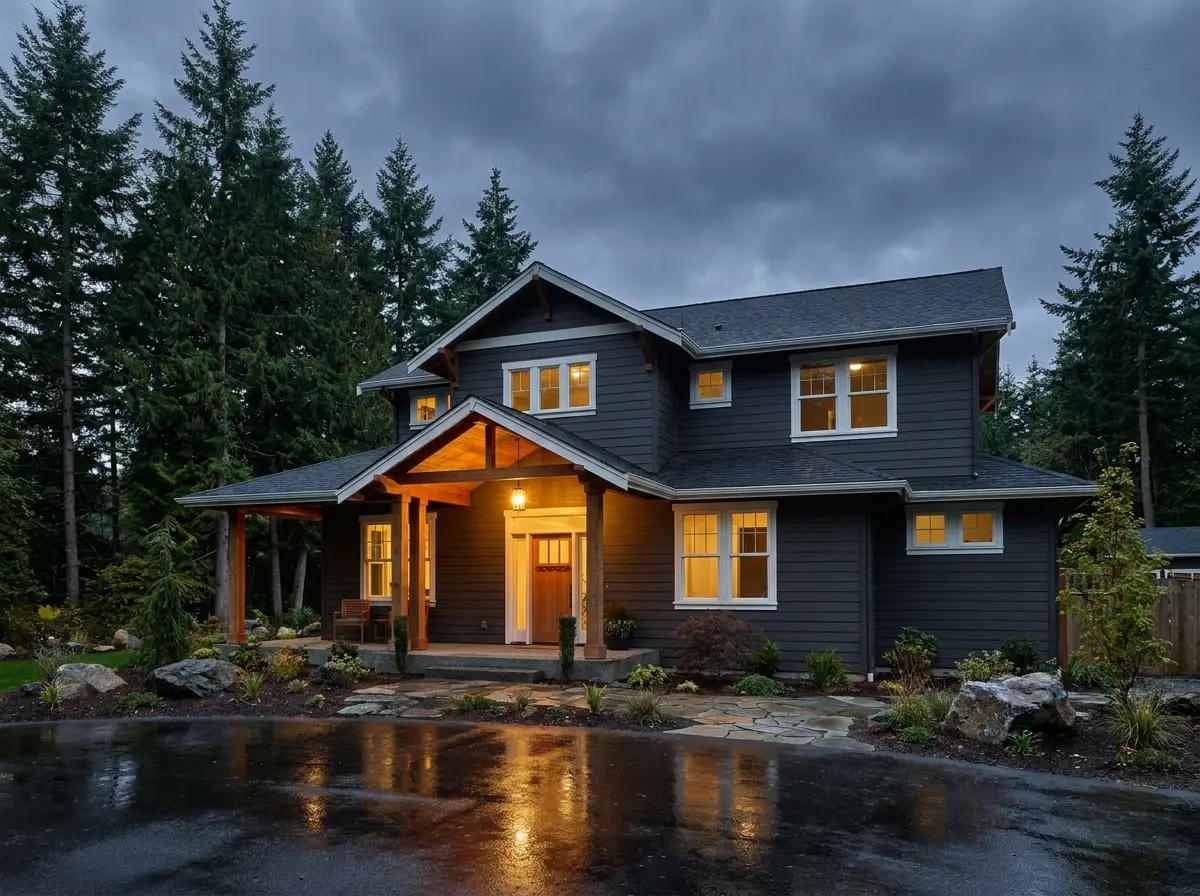
Several factors move the total up or down from the starting rate:
The only way to know your project's cost is to get an exact measurement. Get an instant online estimate, then schedule your free on-site measurement to lock in a firm price.
Most single-family homes get new James Hardie® siding in 3 to 7 working days. That range covers the full job: removing old siding, prepping the walls, installing new HardiePlank® or HardiePanel®, and finishing trim and wrap.
A few things push a project toward the longer end of that window.
Elevation Pro gives homeowners a firm day-by-day schedule after the free on-site measurement, once the actual square footage, condition, and access are known.
James Hardie® fiber cement holds up better than vinyl in Seattle-area weather because it resists moisture, rot, and pests rather than just shedding rain. Vinyl is lighter and cheaper to install, but it can crack on impact, fade in UV, and warp when a dark color sits in direct sun. In a climate that stays wet for months at a stretch, the material difference shows up over years.
Moisture is the real test here. Fiber cement is engineered to perform in wet climates and does not absorb water the way wood does, so it resists the rot and soft spots that appear on homes exposed to years of rain, moss, and shade. Vinyl does not rot, but water can get behind poorly sealed seams and sit there, and vinyl panels can warp with temperature swings.
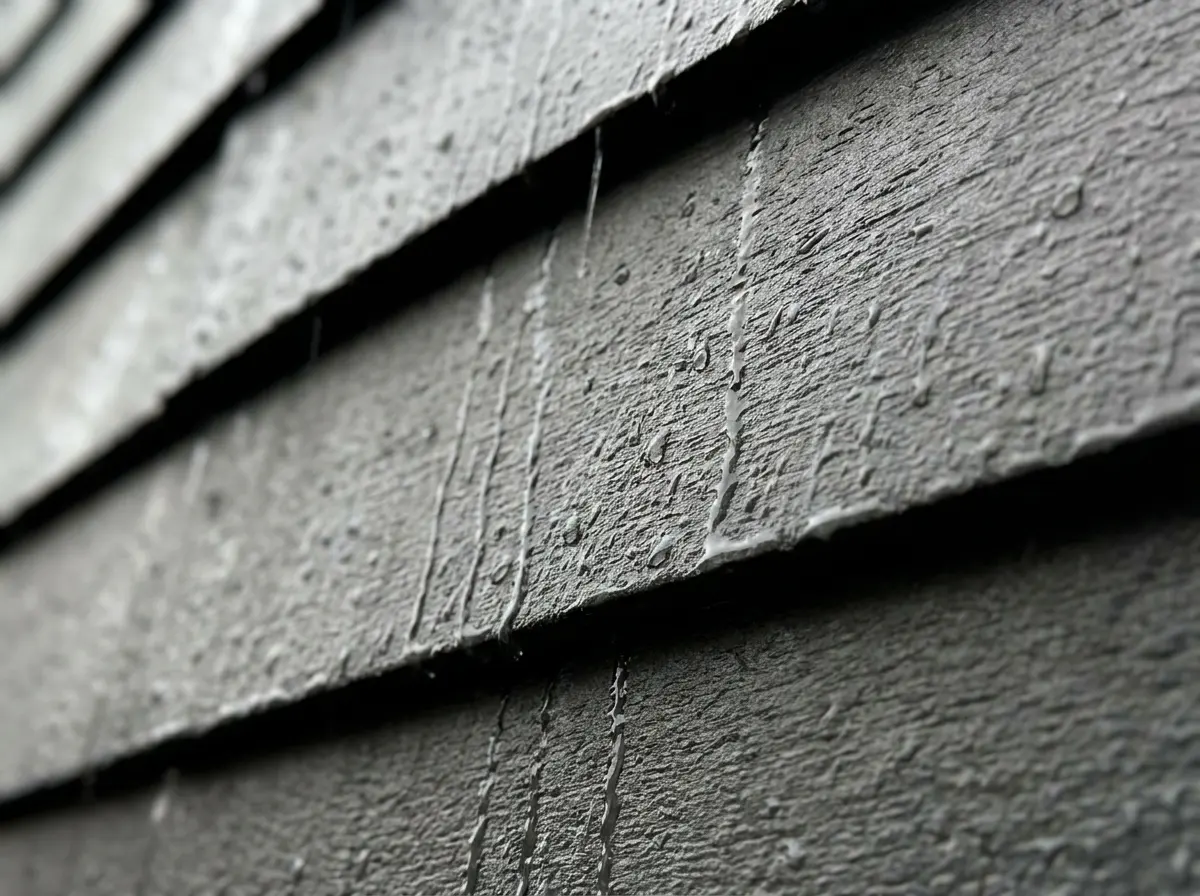
Fire resistance favors fiber cement. James Hardie siding is non-combustible, a meaningful advantage for homeowners weighing wildfire exposure in the region. Vinyl is a plastic product and softens and melts under heat that fiber cement shrugs off.
Color holds longer with ColorPlus®. ColorPlus is a factory-applied finish, baked on under controlled conditions, so it holds color longer than a job-site paint job. Vinyl is colored through the panel, so it will not peel or flake, but darker vinyl tones fade with UV over time and cannot be repainted easily.
The warranty reflects durability. James Hardie backs its fiber-cement siding with a 30-year limited product warranty. Vinyl carries its own warranties, but the material is thinner and more prone to impact cracking, especially in cold weather when vinyl turns brittle.
Vinyl's advantages are worth naming honestly. Vinyl costs less upfront, weighs a fraction of what fiber cement weighs, and installs faster with less specialized labor. For a tight budget or a smaller remodel, it is a legitimate, low-maintenance option that performs reasonably well when installed correctly.
Fiber cement's tradeoffs are real too. Hardie siding costs more upfront, starting from $9.30 per square foot in the Greater Seattle area. It is heavier than vinyl, so it needs a crew that knows how to cut, fasten, and flash it correctly. Poor installation is the biggest risk for either material, but fiber cement leaves less margin for error.
| James Hardie® fiber cement | Vinyl | |
|---|---|---|
| Moisture / rot resistance | Engineered for wet climates | Doesn't rot, but water can trap behind seams |
| Fire resistance | Non-combustible | Softens and melts under heat |
| Pest resistance | Resists pests | Resists pests |
| Color / finish | ColorPlus® factory finish holds color longer | Color runs through panel; can fade in UV |
| Warranty | 30-year limited product warranty | Varies by manufacturer |
| Upfront cost | Higher (from $9.30/sq ft) | Lower |
| Weight / install | Heavier, needs skilled crew | Lighter, faster install |
The right choice depends on how long you plan to own the home and how much upkeep you want. A free on-site measurement gives you the exact area, condition, and access details for a firm price, plus a clear picture of what each material would look like on your house.
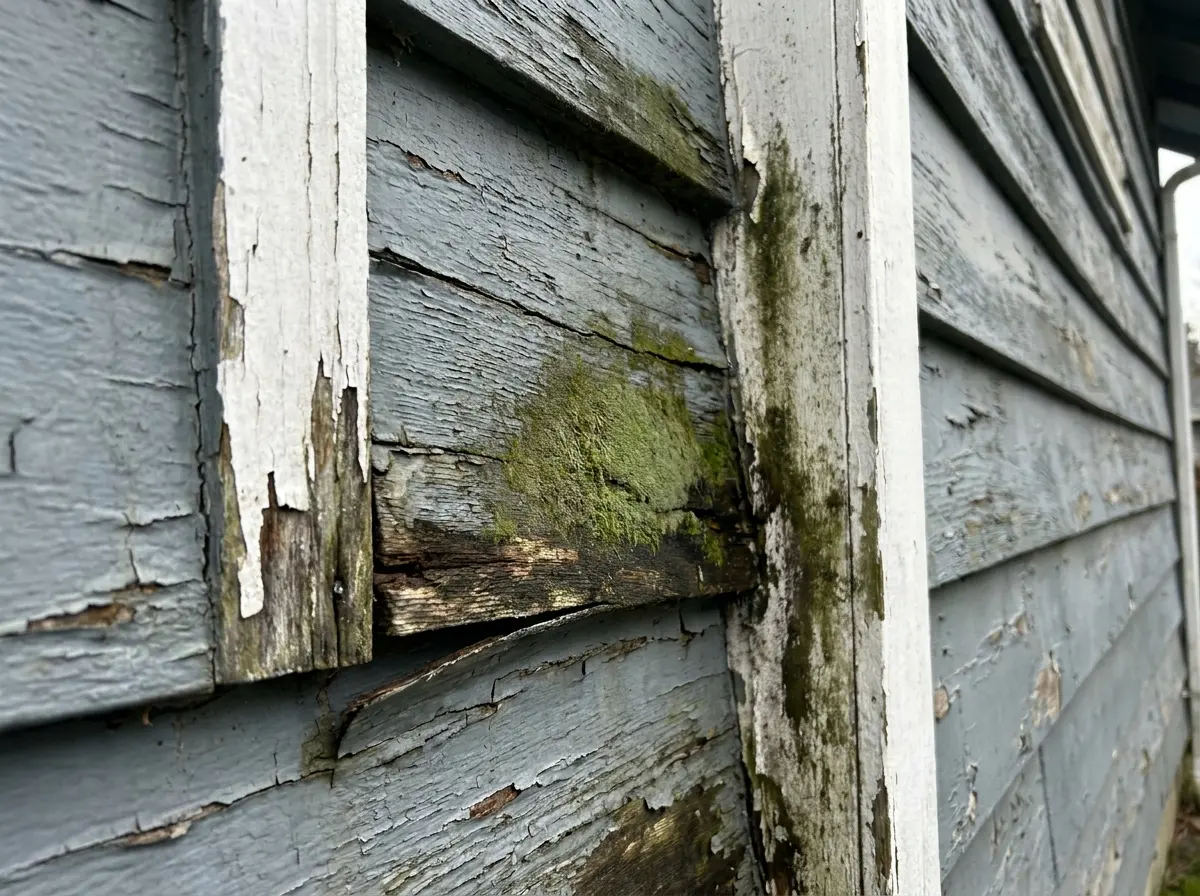
The clearest signs are soft or crumbling spots, boards that warp or pull away from the wall, and paint that will not stop peeling. If you are seeing any of these, plan on a professional inspection rather than another round of patching.
Age matters too: most original siding in the region was installed decades ago, and once water finds a path behind it, the damage spreads out of sight. The photo on the right is what that looks like up close — peeling paint, cupped boards and moss holding moisture against the wall.
A free on-site measurement is the fastest way to find out which of these apply to your home and what it will take to fix them.
James Hardie® makes fiber-cement siding, and Elevation Pro installs three main product lines depending on the look and budget you want. Each one resists fire, rot, and pests and carries a 30-year limited product warranty.
The classic overlapping horizontal boards most homeowners picture when they think of siding — several textures and widths to match traditional or modern styles.
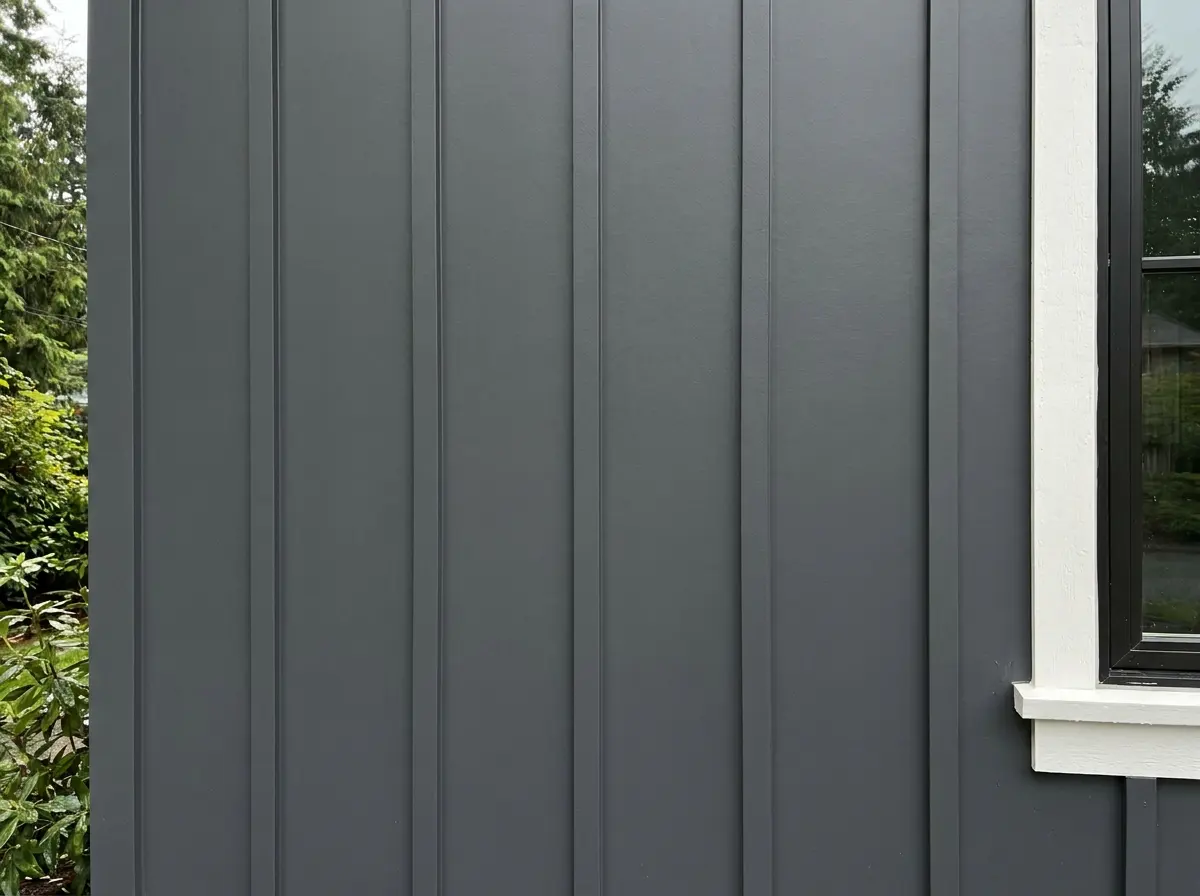
Large flat panels, often paired with vertical battens, for a clean modern look or to accent gables, entries, and dormers alongside lap siding.
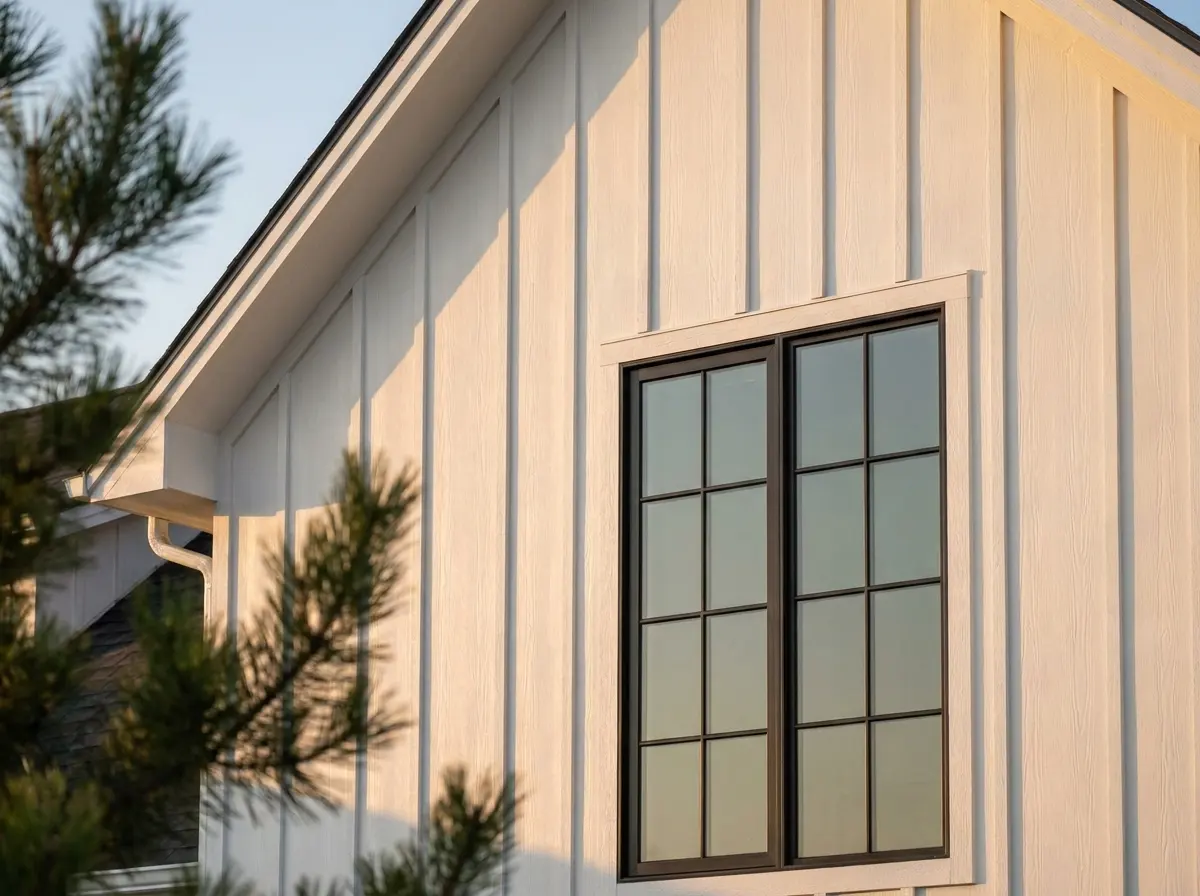
A factory-applied color coating baked onto the siding before it reaches the jobsite — holds color longer than site-applied paint and skips the first repaint cycle.
Elevation Pro also handles tear-off and haul-away, trim and wrap, and siding and structural repair as part of a full re‑side. See the full siding services.
It depends on where you live. Permit rules for siding replacement are set by each city or county, so what Bellevue requires may not match Seattle, Kirkland, Redmond, Renton, or Sammamish.
Some jurisdictions treat a straightforward re‑side as exempt, especially when the work does not touch the home's structure or sheathing. Others require a permit for any exterior siding replacement, particularly for a full tear-off, sheathing repairs, or changes to trim and wrap. Because the rules shift from one city to the next, there is no single answer for every Greater Seattle homeowner.
This is one more reason the free on-site measurement matters. Elevation Pro reviews the scope of your project, checks what your local jurisdiction requires, and handles the permit application and inspections whenever one is needed. You do not have to research your city's code or file anything yourself.
If a permit is required, it becomes part of the project timeline and is factored into scheduling before work begins. If it is not, that gets confirmed too. Either way, you will know where things stand before the first panel goes up.

No pressure — just clear answers about your project, pricing and timeline.
Get my free estimate → (425) 394-8849Start with a free instant estimate to see a ballpark based on your home, then book a free on-site measurement for a firm price and a day-by-day schedule. No obligation.