Adult Family Homes · for operators & investors

Own the asset a care license depends on.

You bring a lot, a listing or a home you already own — you get back a six-bed adult family home that clears its DSHS inspections and stays licensable and leasable for the long run. Washington is aging fast, and small residential care homes are how much of that care gets delivered. The part that has to be built exactly right is the part we do — from the provider's side, not just the blueprint. Here's how the model works.

WA contractor ELEVAPL755NL · Built to DSHS standards (WAC 388-76) · Bellevue & Greater Seattle

The demand picture

Why adult family homes, and why now.

Adult family homes exist because Washington is getting older and most people would rather age in a real house than an institution. The numbers behind that are public, and they point one direction.

17.9%
of Washington residents were 65 or older in 2024 — up from 12.3% in 2010.
~2×
projected growth of Washington's 65-plus population by 2050.
3,000+
adult family homes were already licensed across Washington as of 2020.
6
residents per licensed home — a small, residential, human-scale model.

Sources: Washington OFM — age distribution (2024) and state population forecast (65-plus through 2050); DSHS long-term-care roster (2020). These figures describe demand context for the category — they are not a forecast or a promise of returns for any specific project.

The model

How an adult family home actually works.

An adult family home is really three things stacked together. Knowing which is which tells you where you fit — and where we do.

01

The real estate

A residential home — bought, owned, or already yours — built or converted into a purpose-fit, accessible, code-compliant care residence for up to six residents. This is the tangible, financeable asset.

What we build
02

The license

A DSHS operating license, held by a qualified provider, that grants the right to care for residents in that home. It's separate from owning the building — it belongs to whoever runs the home.

Provider holds it
03

The operation

The day-to-day care — staffing, meals, medications, records — run by the licensed provider and their caregivers for up to six residents at a time.

Operator runs it

Your two ways in. You can own the real estate and lease the home to a licensed operator — you hold a purpose-built care property, the operator runs the business — or you can build and operate under your own or a partner's provider license. Either path starts with the same thing: a home built exactly to standard. Get the building wrong and nothing else matters; get it right and the rest of the model has something solid to stand on.

What happens after the build. If you own and lease, you sign a lease with a licensed provider who runs the home; if you operate, the DSHS license is yours to hold. We're not a broker — we don't place operators or promise occupancy, and that diligence is yours. What we can tell you is exactly what the physical home needs to stay licensable and leasable for the long run: single-occupancy bedrooms that widen the pool of operators who can run it, an accessible plant built to survive a DSHS re-inspection, and a layout that doesn't lock you into a single provider. That's the part we build.

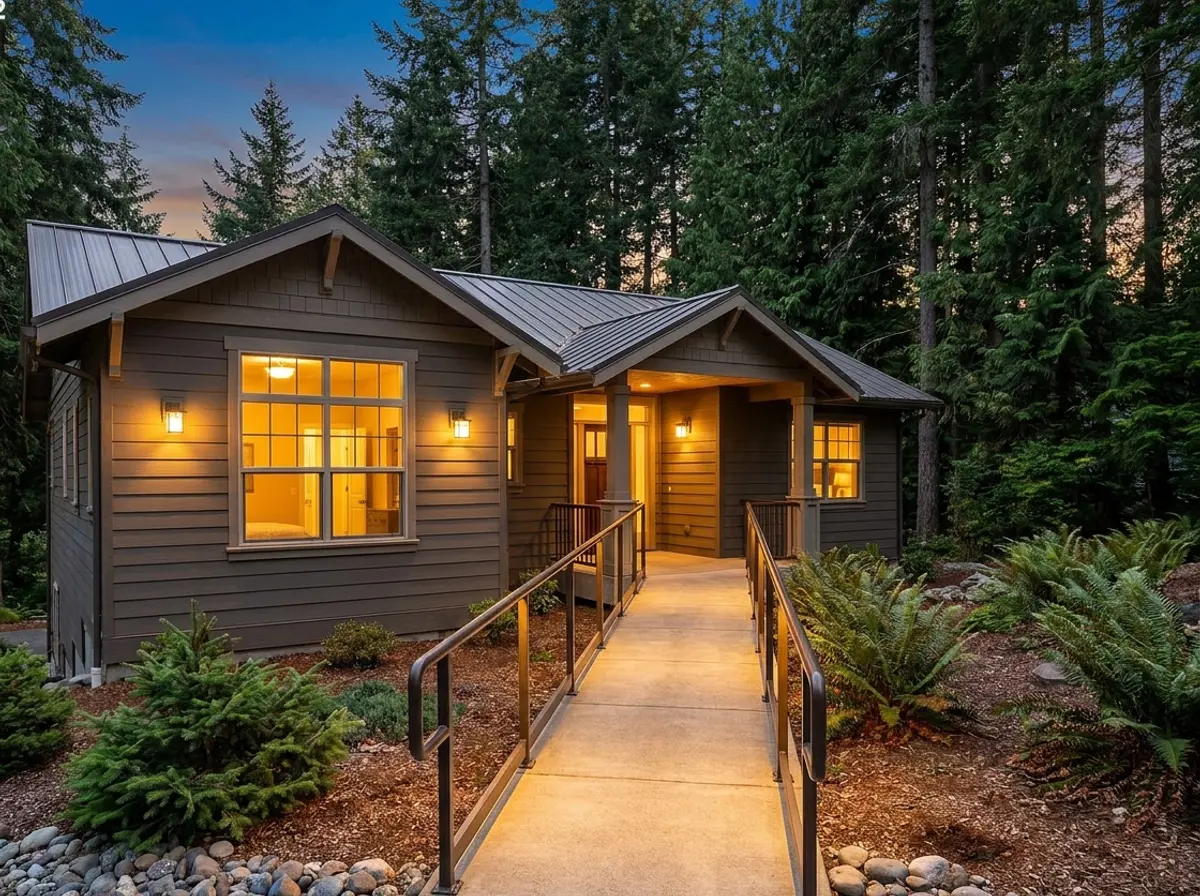
A single-story accessible home at dusk with a gentle ramp entry and handrails on both sides, warm light in the windows
Two paths to the asset

Build new, or convert.

Both get you to a licensable six-bed home. Which one fits depends on your land, your budget and your timeline — we'll tell you honestly which makes sense for your property.

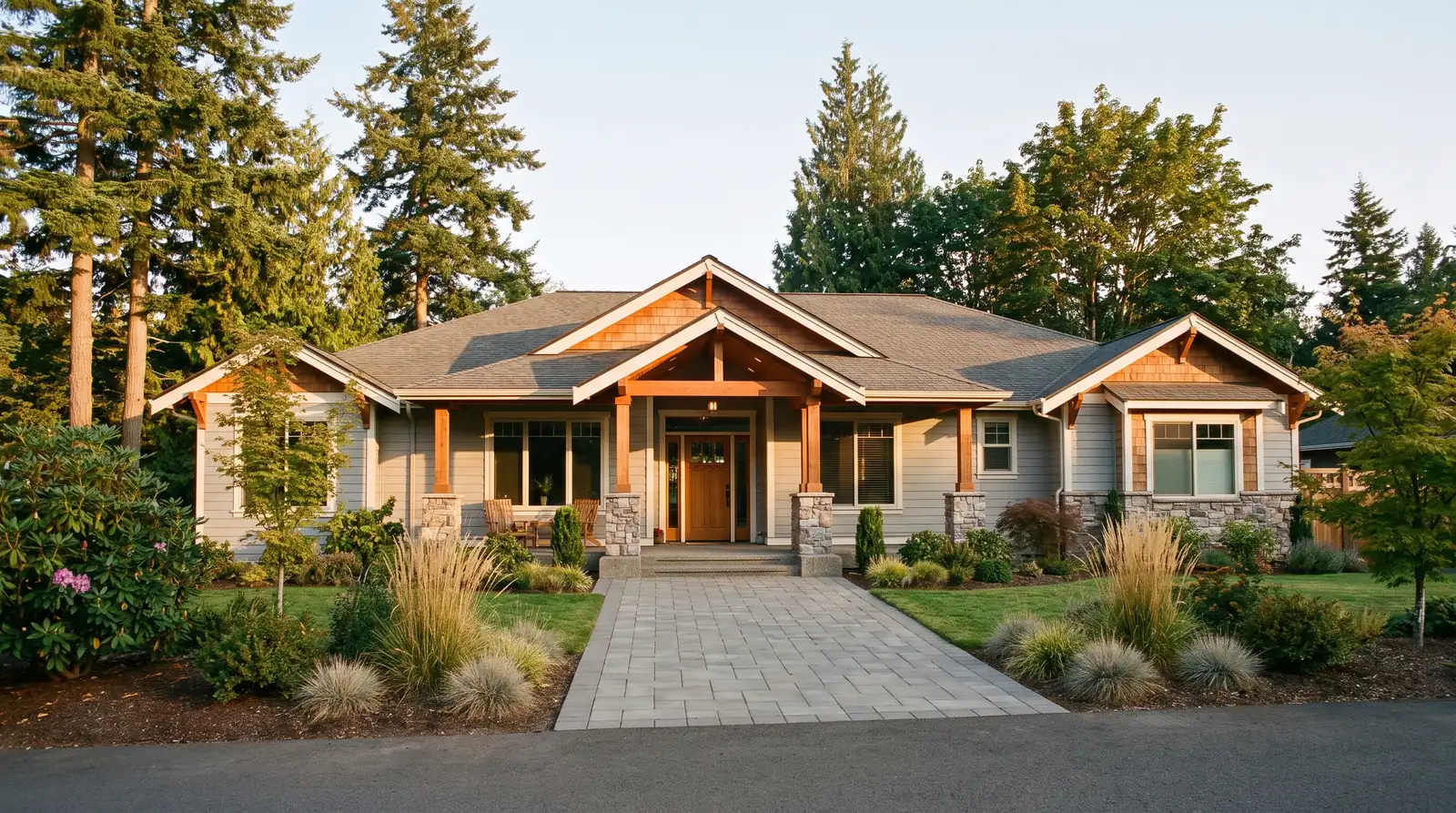
A purpose-built new adult family home in a Puget Sound suburb at golden hour
New build

Purpose-built from the ground up

A home designed around six beds, accessibility and DSHS standards from the first line on the plan — nothing retrofitted, nothing compromised.

  • Full control of layout, beds and accessibility
  • Everything sized right the first time
  • Needs land; a longer timeline
An existing home converted into accessible adult family home living space
Conversion

Turn an existing home into a care home

Use a house or lot you already have — or buy the right one — and convert it under Washington Residential Code R330, often reaching occupancy sooner.

  • Uses an existing home or lot
  • Often a faster route to opening
  • May trigger substantial alterations — we scope it first
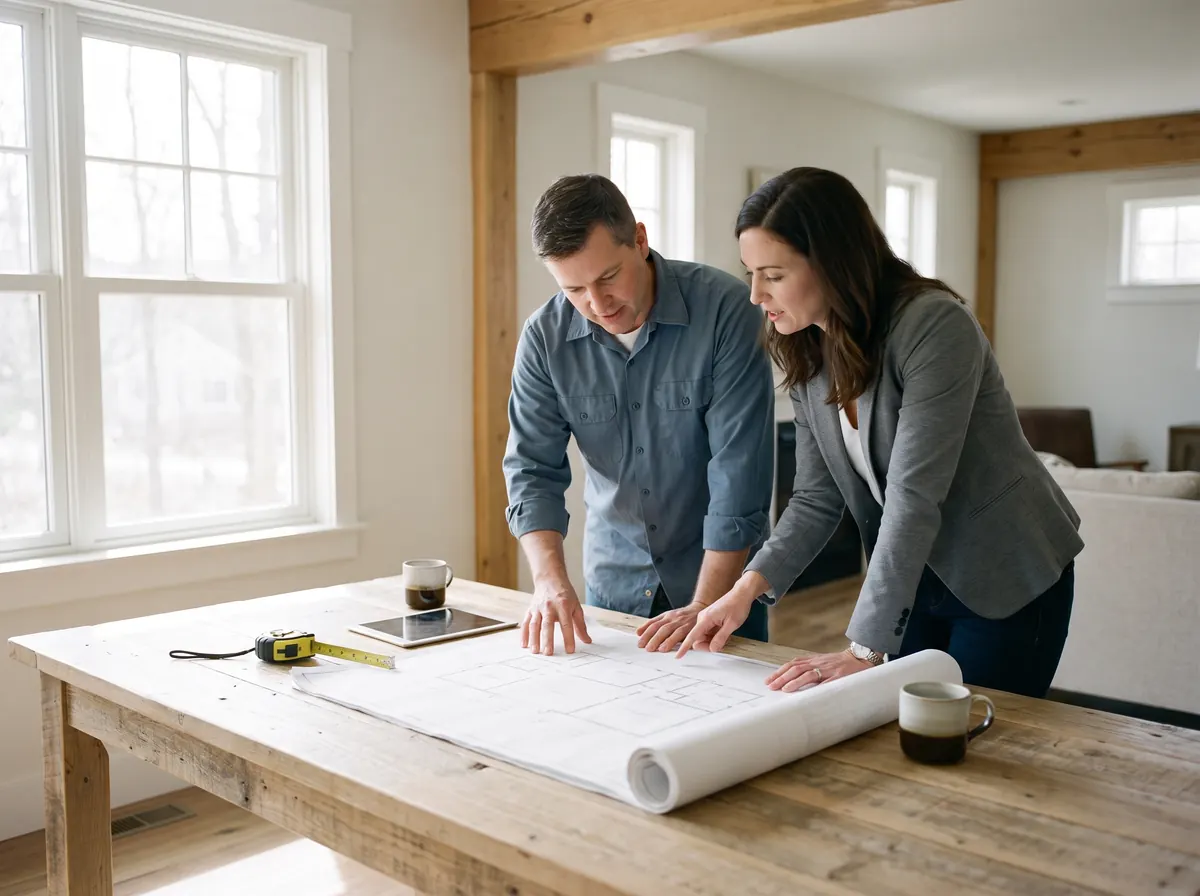
An Elevation Pro contractor and an investor reviewing adult family home floor plans together at a table
Why build with us

We de-risk the part you can't afford to get wrong.

On an AFH project, the building is where money and time quietly disappear — a plan that won't pass, a bathroom that has to be redone, a permit that stalls. That's the part we own.

  • Licensed WA general contractor (ELEVAPL755NL), bonded and insured.
  • An operator's eye, not just a builder's. Our founder has run this side of the business — so we build to standards we know first-hand, from the inside, not from a code book.
  • Plans, permits and the building checklist handled — including the DSHS Local Building Inspection Checklist, so the home hands over inspection-ready.
  • One crew, one point of contact, from the first drawing to the final walk-through.

We're your construction partner — not your operator, lender or licensing consultant. We build the asset; you and your provider run the business.

Elevation Pro builds adult family homes; we are not financial, legal, or licensing advisors. The demand figures on this page are public data shared for context, not a forecast or a promise of returns for any project. For the business, licensing and financing side, talk to your own advisors — and talk to us about getting the building right.
How it works

From a lot or a listing to a home that passes.

A straight line on the construction side, running in parallel with your DSHS licensing so the two tracks never trip over each other. Worth knowing: time to your first resident is gated by the license review, not just by construction.

  1. 1

    Feasibility

    We look at your lot or target property and tell you honestly whether new build or conversion fits, what it will involve here, and what to watch for.

  2. 2

    Design & plans

    Drawings to WAC 388-76 and Residential Code R330 — six beds sized right, accessible routes, bathrooms, egress and fire safety designed in from the start.

  3. 3

    Permits & build

    We pull the local permit and build it — new construction or conversion — with one dedicated crew and a firm schedule.

  4. 4

    Inspection-ready handoff

    We complete the AFH Local Building Inspection Checklist and hand over a home ready for your DSHS licensing and life-safety inspections.

Questions

What investors ask before they build.

Elevation Pro adult family home build specialist

Weighing a project?

Talk to an AFH builder

Bring us a lot, a listing, or just a question — we'll tell you straight what the build side looks like.

Get my feasibility review → (425) 394-8849
Licensed, bonded & insured WA general contractor — Lic# ELEVAPL755NL, $1M/$2M liability. AFH conversions and ground-up builds, per-property quotes. Verify on L&I.
How does the adult family home business model work?
An adult family home combines three things: a residential property, a DSHS operating license held by a qualified provider, and day-to-day care for up to six residents. The real estate is a tangible asset; the license and the care operation belong to the provider who runs the home. You can build and own the home and lease it to a licensed operator, or build and operate it under your own or a partner's provider license. Elevation Pro builds the compliant physical asset.
Do I have to be the licensed operator to invest in an adult family home?
No. The DSHS adult family home operating license belongs to the provider who runs the home, not to the property owner or the builder. Investors can own the real estate and lease it to a licensed operator, or partner with a qualified provider. Elevation Pro is the construction partner — we build the home to DSHS physical-plant standards; we are not the operator, lender, or licensing consultant.
Can I put an adult family home in a single-family neighborhood?
Yes. Washington law (RCW 70.128.140) makes adult family homes a permitted residential use in all residential and commercial zones, including single-family zones, and preempts more restrictive local zoning. The home must still meet local building and fire code, which Elevation Pro handles as the builder.
Should I build new or convert an existing home into an adult family home?
Both work. A new build gives you full control and a home purpose-designed for six beds and accessibility, but needs land and a longer timeline. A conversion uses an existing home or lot and can reach occupancy faster, but may trigger substantial alterations — sometimes including seismic upgrades. Elevation Pro reviews your property and recommends the path that fits, then quotes it per project.
How much does it cost to build or convert an adult family home?
There is no fixed price — cost is entirely property-specific and depends on new build versus conversion, bedroom and bathroom work, accessibility, and any triggered upgrades such as seismic, sprinkler or septic. Elevation Pro quotes each project after a site visit and a review of your plans, so you get a real number for your property rather than a generic range.
How many residents can an adult family home have?
Six is the statutory maximum for a standard Washington adult family home license (RCW 70.128.010). A home can reach seven or eight residents only with DSHS approval and added life-safety work, including an NFPA 13D residential fire-sprinkler system when residents need evacuation assistance.
Is there demand for adult family homes in Washington?
Washington's population aged 65 and older reached 17.9% in 2024, up from 12.3% in 2010, and the state projects the 65-plus population to nearly double by 2050 (Washington OFM). More than 3,000 adult family homes were already licensed statewide as of 2020. These figures describe demand context — not a promise of returns for any specific project.
What is Elevation Pro's role versus the operator's?
Elevation Pro designs, builds or converts, and permits the home to meet DSHS physical-plant standards, and hands it over inspection-ready. The operator holds the DSHS license, hires and trains caregivers, and runs the care business. We build the asset; the provider runs the business.

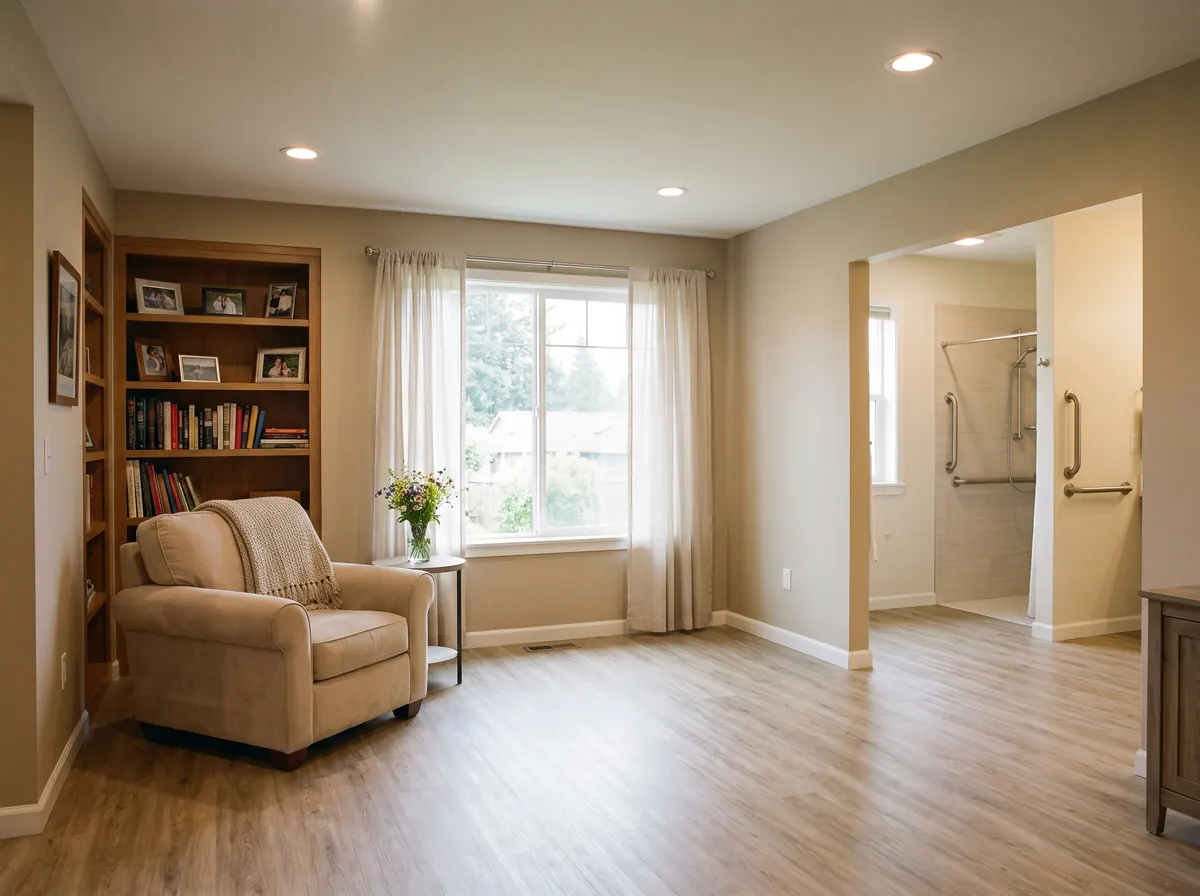
A Lynnwood garage converted by Elevation Pro into accessible adult-family-home living space with a barrier-free roll-in bathroom
Proof, not just promises

We've already built to this standard.

Our garage-to-care-home conversion in Lynnwood — accessible entry, barrier-free roll-in showers, finished to what a DSHS inspection actually demands — is exactly the work an investor's build needs, already done and lived in.

“…comfortable, accessible entry for seniors, and barrier-free roll-in showers for wheelchairs.”
— Margaret, Lynnwood · our AFH conversion

Elevation Pro LLC · WA Lic# ELEVAPL755NL · $30k bonded · $1M / $2M insured

Verify our contractor license (WA L&I) (opens in a new tab)
Start the conversation

Bring us the property. We'll build the home.

A lot, a listing, or a home you already own — tell us what you're considering and we'll come back with the build path, timeline and a per-property quote. No obligation.

  • Built to DSHS standards from the first floor plan
  • New build or conversion, up to six beds
  • Serving Bellevue & Greater Seattle
  • Prefer to talk? (425) 394-8849

Building for family instead of business? See our accessible home conversions →

Get your feasibility review

Bring us a lot, a listing, or a home you own. No spam — we'll only reach out about your adult family home project.

We reply within one business day. By submitting you agree to be contacted about your project. See our Privacy Policy.

Get my feasibility review